LM Studio vs Ollama: Which Local LLM Runtime?
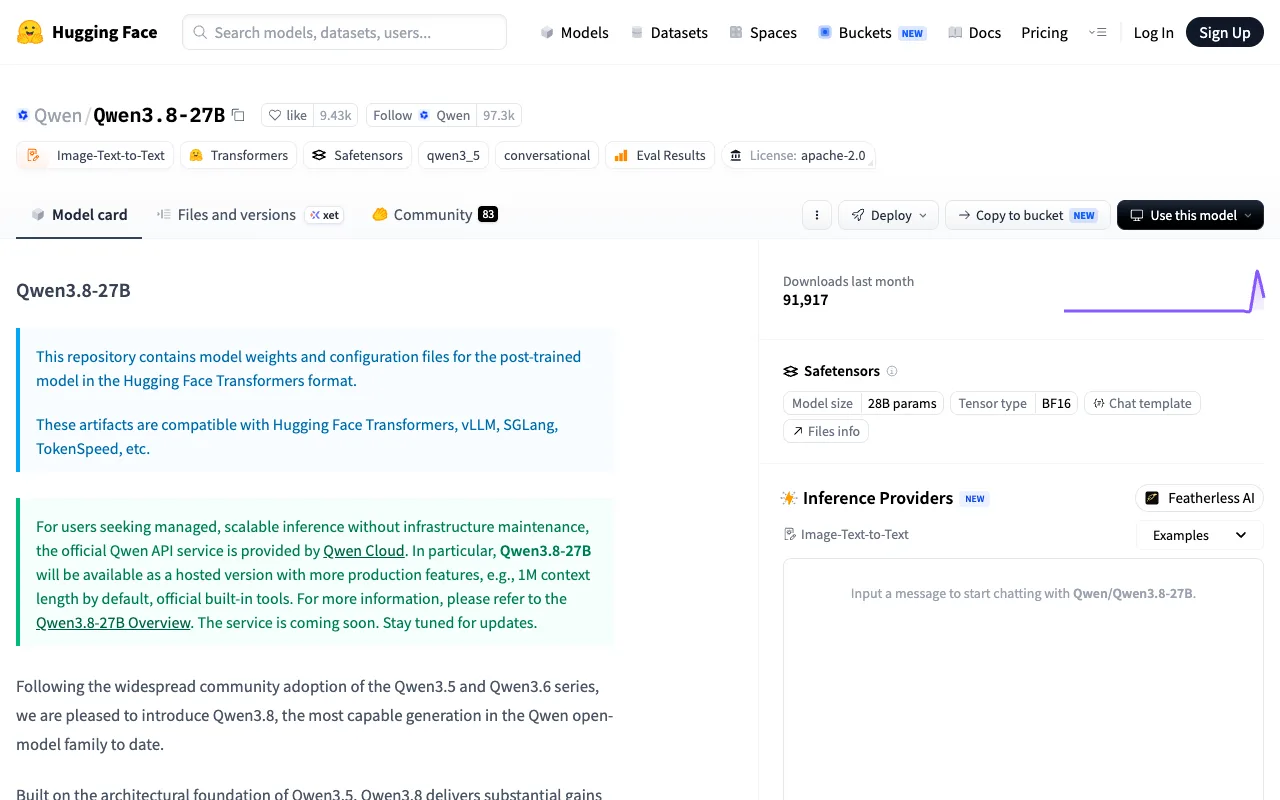
A desktop workbench versus a scriptable daemon. Real RAM numbers, the licensing difference that decides it for companies, and why LM Studio's Bionic agent changes the comparison.
Practical guides and deep dives into the tools and concepts developers use every day.

A desktop workbench versus a scriptable daemon. Real RAM numbers, the licensing difference that decides it for companies, and why LM Studio's Bionic agent changes the comparison.

An AI editor versus an autonomous terminal agent. Verified pricing for every tier of both, the architectural difference that drives each trade-off, and a scenario-by-scenario pick.

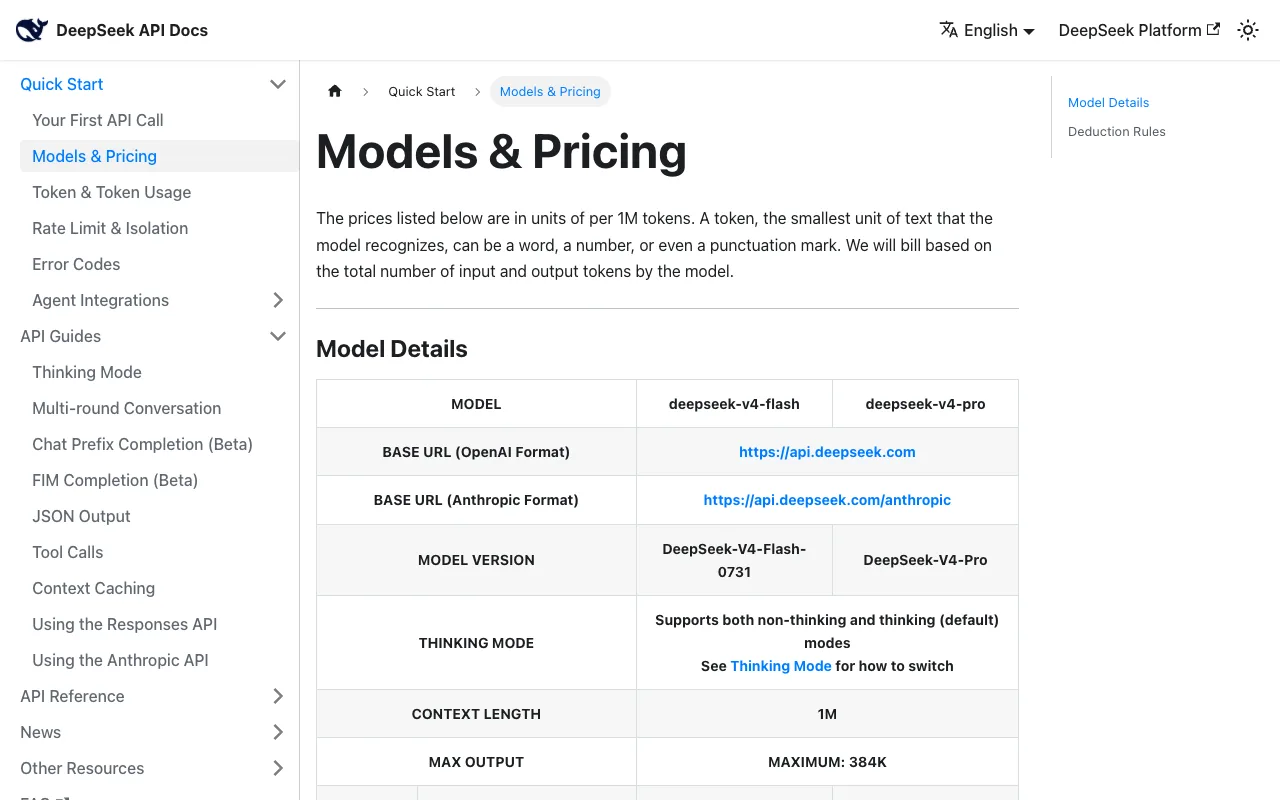
DeepSeek priced to win share, won more than its 20,000 GPUs could serve, and is now correcting. Today's rate card, the founder's own 2x-10x range modelled out, and what to fix this week.

Meta's third model in four months hits 82.9% on Terminal-Bench and ties for third among US labs. The verified benchmarks, the decoded pricing, and the 60 req/min ceiling on the cheap tier.

DeepSeek re-post-trained the same 284B model and beat its own flagship. Verified benchmarks, the pricing figure most coverage gets wrong, and where it still loses to Opus 4.8.

Yesterday GitHub paused new Copilot Pro+ signups and quietly removed Opus from the Pro tier. Two weeks earlier, Anthropic announced that Claude Agent SDK and claude -p will draw from a separate metered credit starting June 15.

A senior developer I respect — fifteen years in production Python — opened a fresh terminal last week and couldn't recall the keyword argument to sort a list of dictionaries by a field. Not because he never knew it.

Someone running OpenClaw overnight on a $20 Pro plan was, by any honest accounting, getting somewhere between $200 and $500 of Anthropic API value back each month.

Most AI agents have a memory problem: they figure something out, then forget it the moment the session ends. The next time you ask the same question, you watch the same model rediscover the same workaround.

Most AI agents still assume a large model is in the loop for every decision, including the simplest one: which tool to call. Cactus Compute is betting that's overkill.

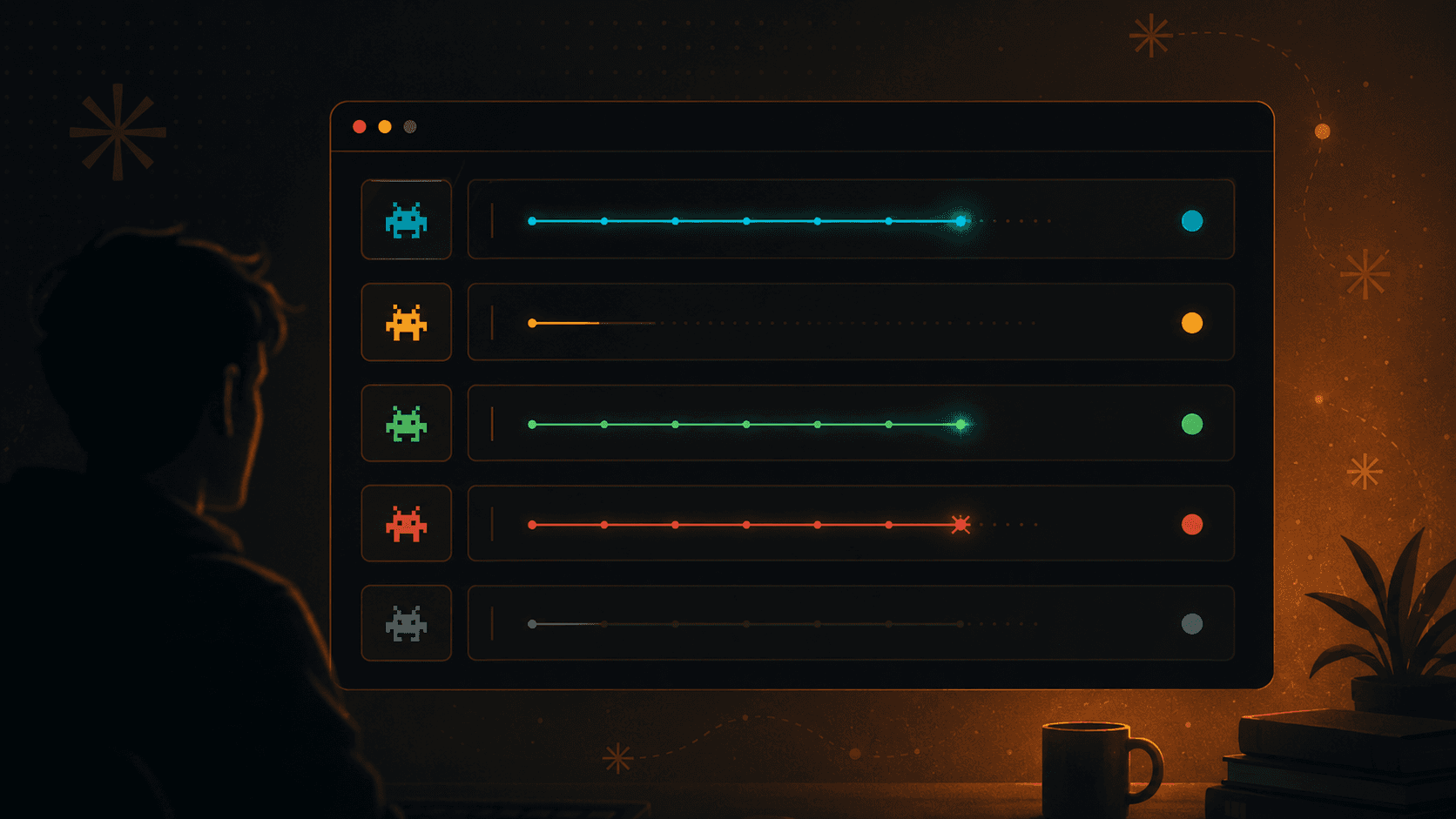
If you've been running Claude Code seriously, you've already hit the wall: 5 tmux panes, 7 named sessions, a mental ledger of which one is waiting for permission. Anthropic shipped the fix on May 11, 2026.

By the end of 2026, the title 'software engineer' won't exist anymore. That's Boris Cherny, head of Claude Code at Anthropic, telling CNN on May 10. He's right that the title is dying. He's wrong about why.

Anthropic's Claude Design is paywalled, rate-limited, and locked to Anthropic models. Open Design clones it as open-source, local-first software with multi-model support and .zip import.

A developer called Pliny the Liberator released OBLITERATUS on March 4, 2026. Within 24 hours it crossed 1,000 GitHub stars. Six weeks later it's at 5,000. Here's what the toolkit actually does, how it works, and why alignment researchers are nervous.

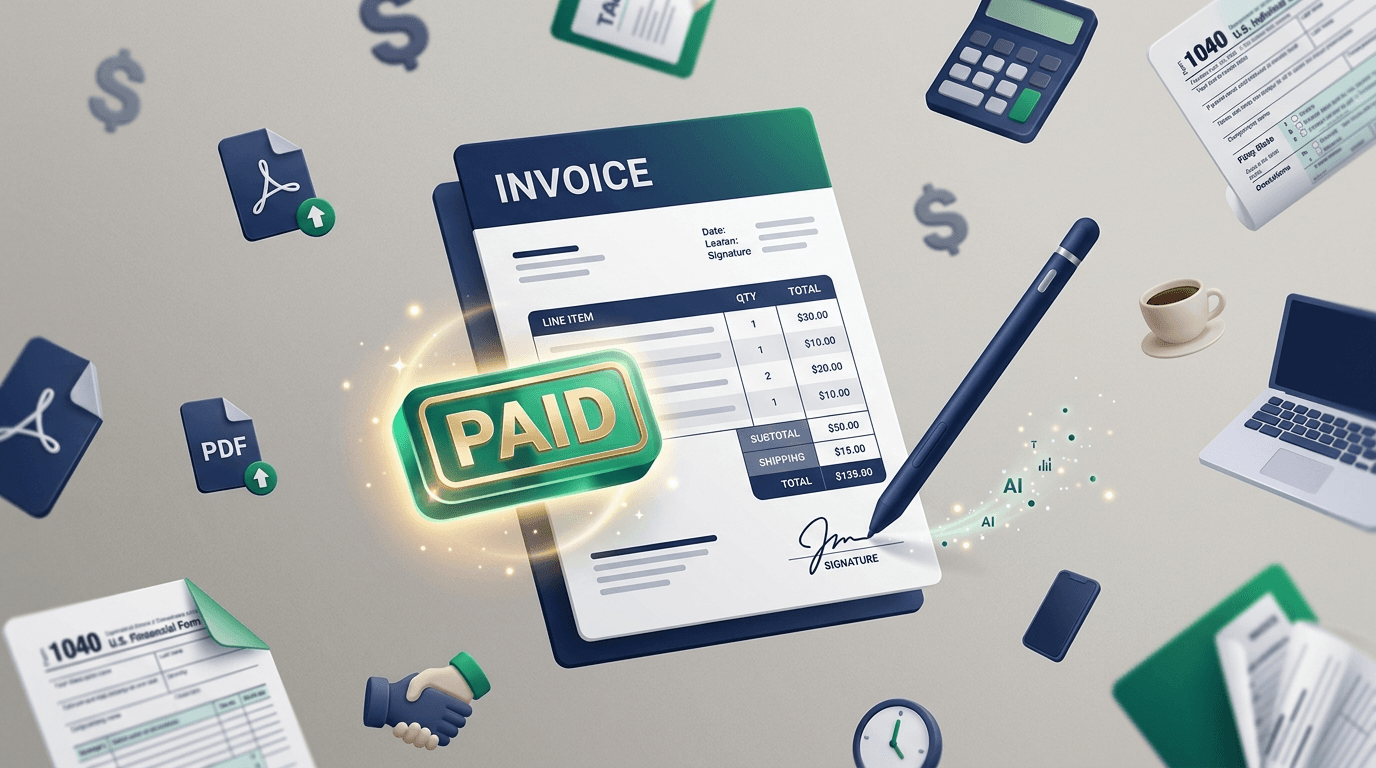
Most 'free' invoice generators force a signup before the first download. I tested 6 of them on a real freelance scenario — a 20-hour web dev invoice with tax, discount, and bank wire details — to see which ones actually work. Only two didn't want my email.

Moonshot's Kimi K2.6 shipped April 20 with 1T parameters, 256K context, and autonomous runs past 12 hours. It edges GPT-5.4 on SWE-Bench Pro and crushes DeepSearchQA. Here's the developer-focused breakdown — benchmarks, pricing, and the stability story most coverage missed.

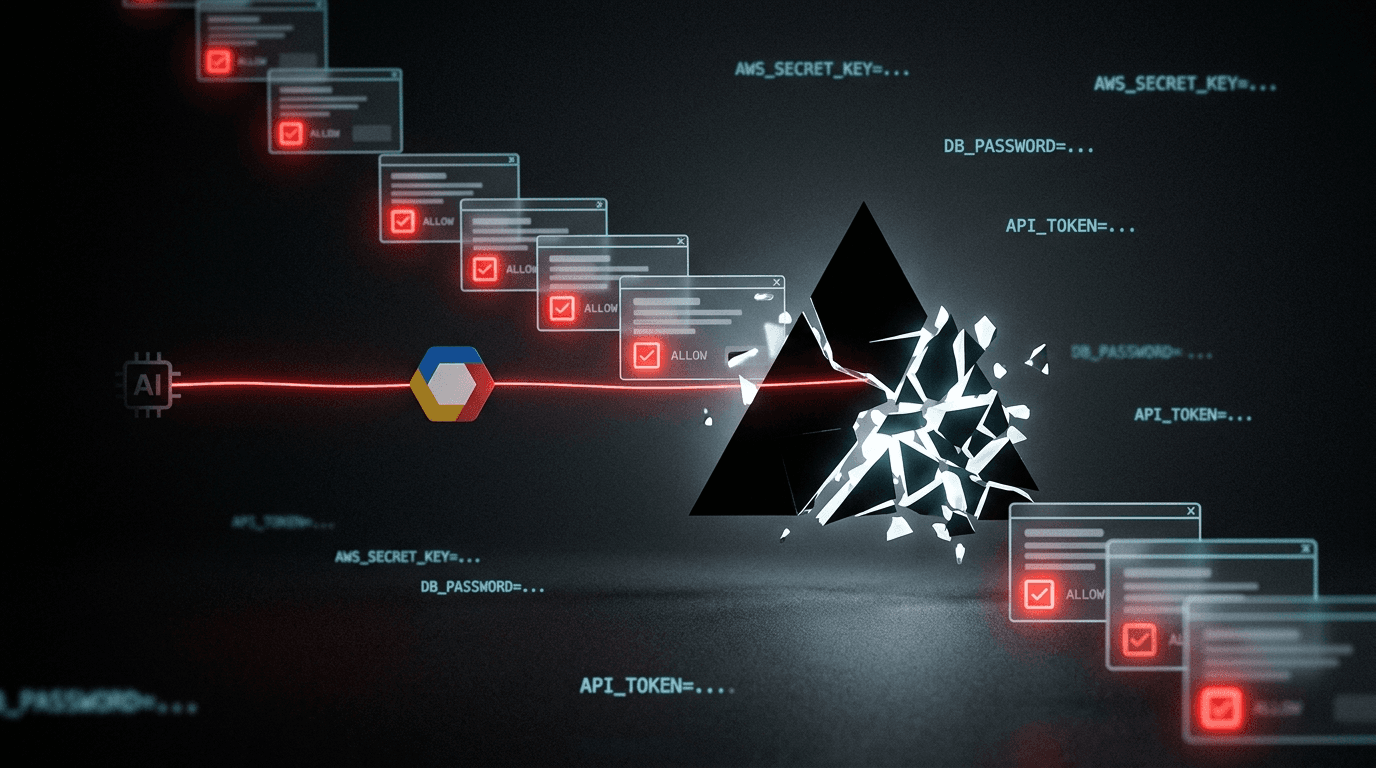
One Vercel employee clicked "Allow All" on a Context.ai OAuth prompt. A month later, half of Web3 rotated their deployment keys. Here''s the chain, what was and wasn''t leaked, and the env-var toggle you should have flipped yesterday.

Spud. Crest Pro Alpha. Viral Three.js demos. The GPT-5.5 leak cycle is running hot — and most of what people are saying about it isn't real yet.

Mozilla's MZLA subsidiary just launched Thunderbolt — an open-source, self-hostable AI client positioned directly against Microsoft Copilot and ChatGPT Enterprise. $15 per user per month, MCP support, runs on Linux. Here's what developers need to know, and why the naming choice is a mess.

Grammarly's free tier locks half the good features behind a signup wall. I tested 5 free AI proofreaders on the same buggy paragraph to see which actually catches errors — and which ones are just lead magnets wearing a proofreader costume.

Anthropic released Claude Opus 4.7 on April 16, 2026. It beats GPT-5.4 and Gemini 3.1 Pro on most coding and reasoning benchmarks. Here is everything developers need to know: benchmarks, new features, pricing, tokenizer changes, and migration guide.

The 2026 Stanford AI Index reveals $242B+ in investment, models scoring 50% on Humanity's Last Exam, and 74% of AI value captured by just 20% of companies. Here's what developers need to know.

We tested the best free AI SEO tools for 2026 — from meta description generators to keyword research. Find out which tools actually deliver results without costing a cent.

OpenAI is killing Sora six months after launch — $15M/day in compute, $2.1M lifetime revenue, the Disney $1B deal cancelled. Here's the breakdown of why the most-hyped AI product since ChatGPT failed and what it means for every developer building with AI.

A practical guide to generating random strings for passwords, API keys, and tokens. Why Math.random() is dangerous, what crypto.getRandomValues() does differently, how much entropy you actually need, and an opinionated quick-reference for every common use case.

Sam Altman's San Francisco home was attacked twice in 72 hours — a Molotov cocktail and gunfire — days after The New Yorker published a devastating investigation calling him a "pathological liar." Here's the complete story, from the attacks to the exposé to Altman's midnight blog response.

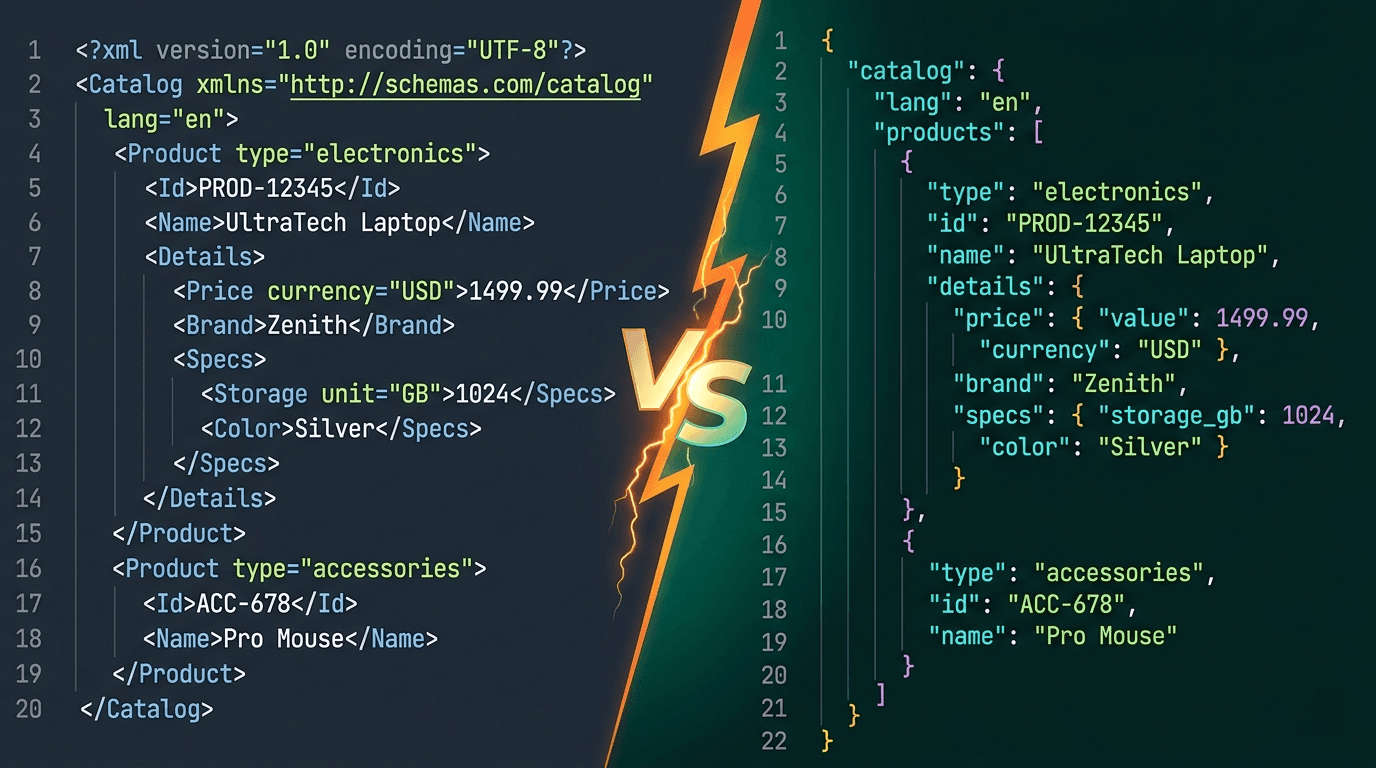
XML and JSON are the two most popular data formats in software development. This comprehensive comparison covers syntax, performance, parsing speed, file size, and when to use each format — with a practical migration guide.

AMD's AI director ran 6,852 Claude Code sessions and proved thinking depth dropped 67%. Here is the data, Anthropic's response, and the two settings that bring Claude Code back.

Apple is prototyping four frame designs for its first AI smart glasses (codename N50) — launching 2027, skipping AR displays entirely, powered by Siri and iPhone. Here is what Mark Gurman revealed, why the display-less bet matters, and what it means for developers.

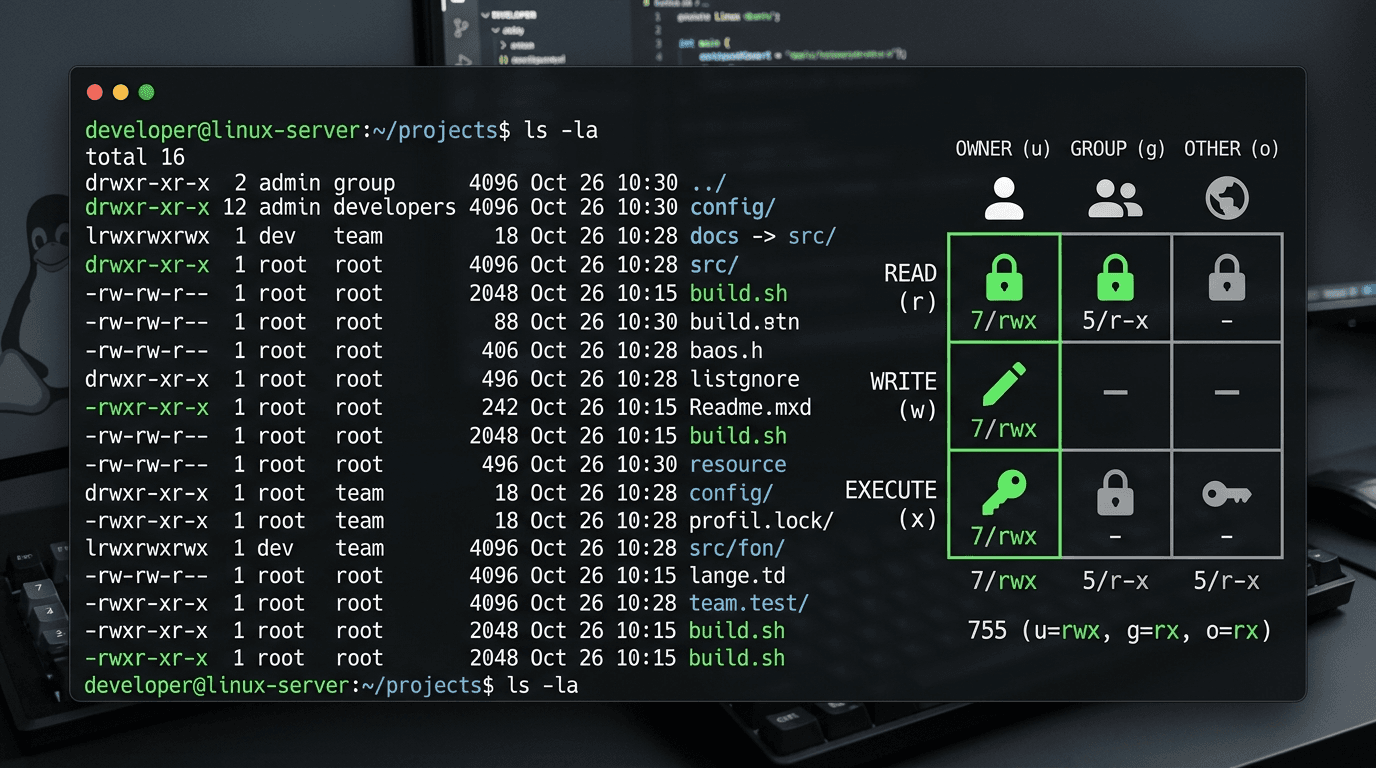
File permissions look cryptic until you break them down. This guide walks through read/write/execute, owner/group/other, the 755 vs 644 vs 777 debate, special permissions, recursive chmod, and the mistakes to avoid.

Anthropic just shipped a one-line API change that pairs Opus as an advisor with Sonnet or Haiku as executor — cutting agentic task costs by up to 85% while delivering near-Opus quality. Here is how to implement it today.

On April 7, 2026, Anthropic built its most powerful AI model ever and refused to release it. Claude Mythos Preview found thousands of zero-day vulnerabilities in every major OS and browser. Here is what developers need to know.

Markup and margin are the two most confused metrics in business. This guide explains the difference with formulas, conversion tables, real examples, and common mistakes to avoid.

Meta launched Muse Spark — its first proprietary AI model, built by Alexandr Wang's Superintelligence Labs. After years of championing open-source Llama, Meta pivots to a closed model with no public weights. Here's what it means for developers.

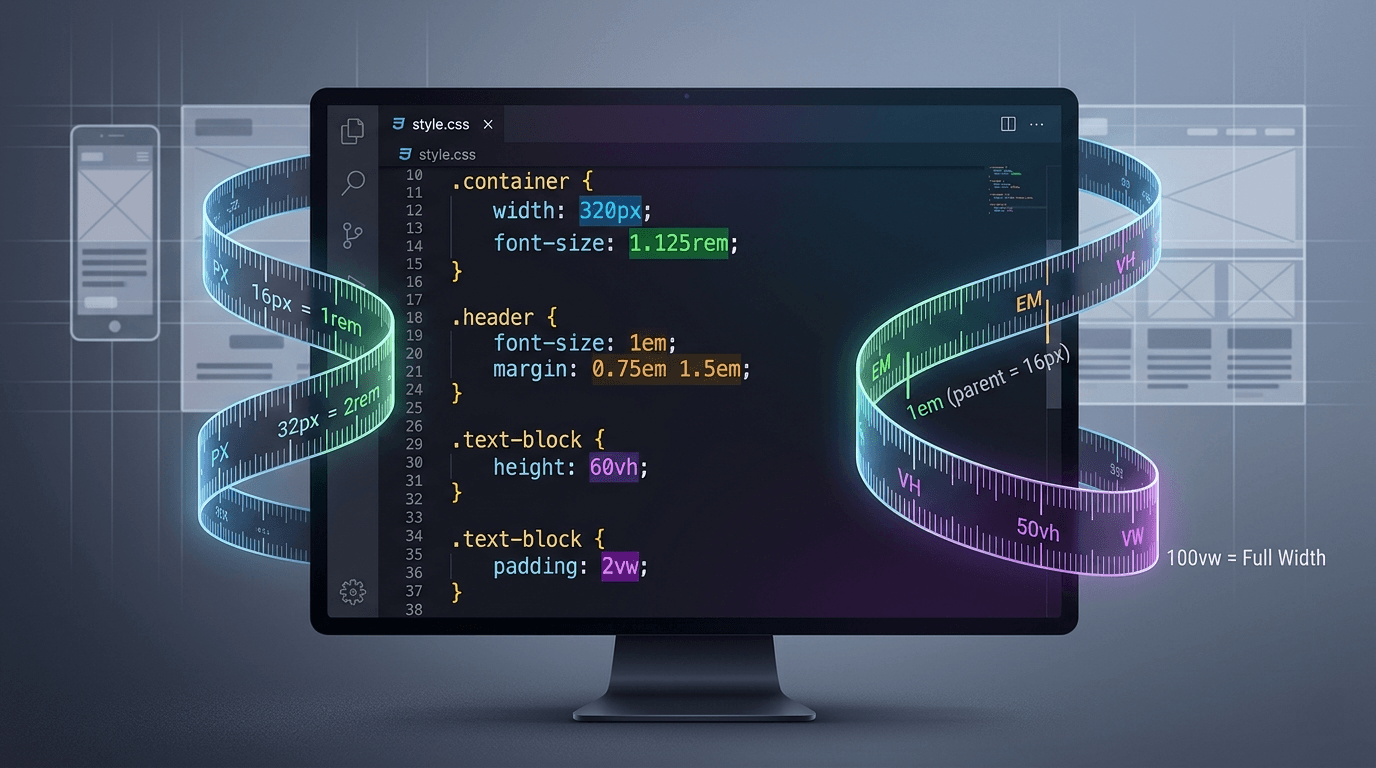
CSS units determine how elements are sized on a web page. This complete guide covers px, rem, em, vh, vw, and every other CSS unit — when to use each one, the big px vs rem vs em comparison, accessibility implications, and common pitfalls.

OpenAI released a 13-page policy paper proposing robot taxes, a public wealth fund, a 4-day workweek, and AI containment playbooks — while revealing its next frontier model "SPUD." Sam Altman says superintelligence demands a New Deal. Critics call it regulatory nihilism.

GLM-5.1 by Z.AI is a 754B MoE model under MIT License that works autonomously for 8 hours, scores #1 on SWE-Bench Pro at 58.4%, and costs $1.40/$4.40 per M tokens. Complete developer guide with setup instructions for Claude Code, OpenClaw, and local deployment.

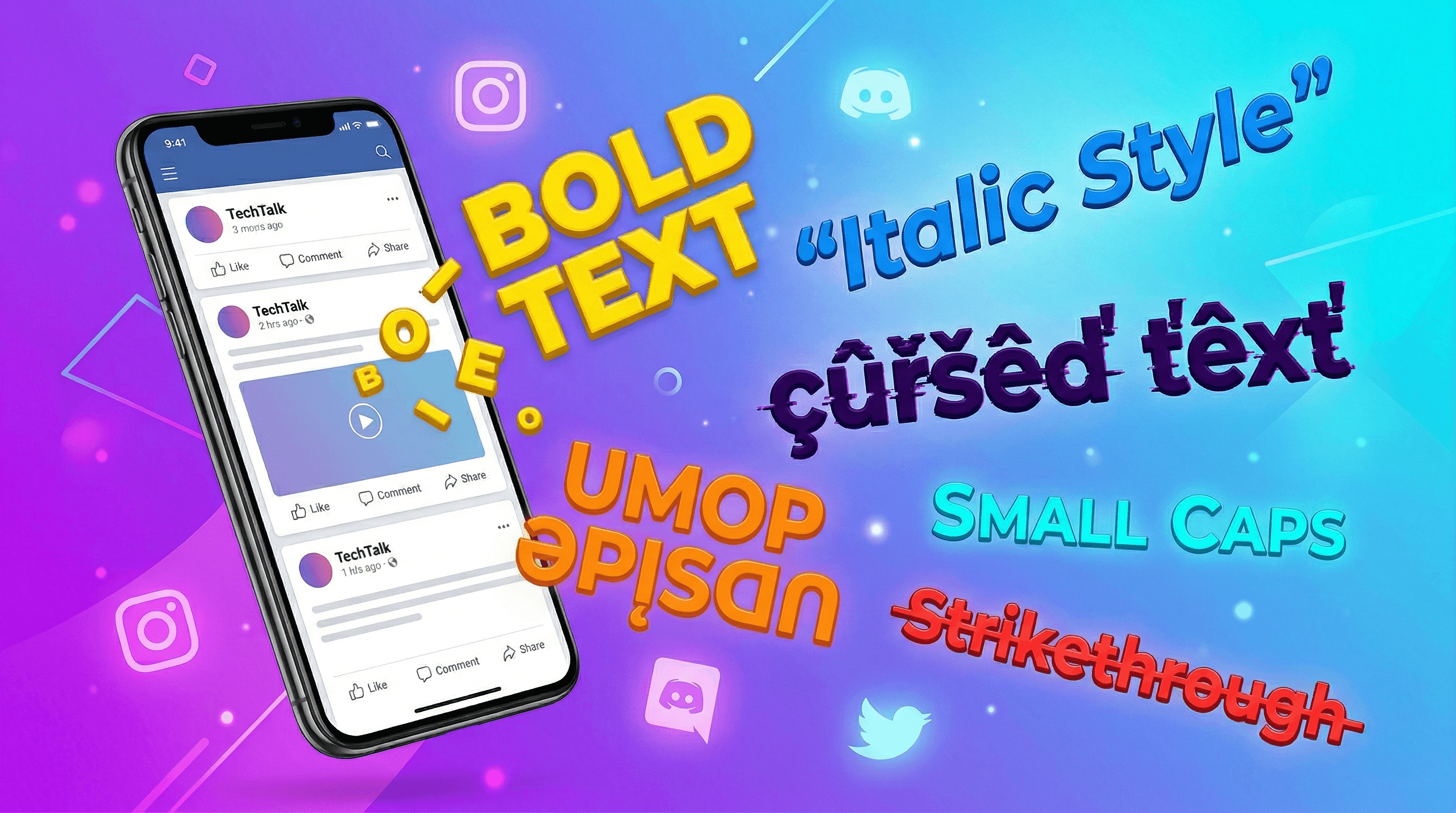
A complete guide to Unicode text generators for social media. Generate bold, italic, cursed, upside down, backwards, small, and strikethrough text that works on Instagram, Twitter/X, Discord, Facebook, LinkedIn, and more. All styles explained with platform compatibility.

Anthropic cut off 135,000+ OpenClaw users from Claude subscriptions, triggering up to 50x cost increases. OpenClaw's response? Version 2026.4.5 — the biggest release in the project's history, featuring built-in video/music generation, an AI "dreaming" memory system, and an app store for agent skills.

Google Research announced TurboQuant on March 25, 2026 — a training-free algorithm that compresses the KV cache 6x and speeds up attention 8x. The internet called it Pied Piper. Here is everything developers need to know.

The complete guide to strikethrough text on every platform. Learn keyboard shortcuts for Google Docs, Word, Discord syntax, Slack formatting, HTML tags, and how Unicode strikethrough works everywhere.

OpenAI's GPT-5.4 scored 75% on OSWorld — the first AI model to clearly beat human performance at desktop tasks. Here's what developers need to know about native computer use, the 1M token context window, and the future of AI agents.

Unicode text effects let you create bold, italic, cursed, and fancy text that works on any social media platform. Learn how they work, which effects are supported where, and how to use them.

DeepSeek V4 is a ~1 trillion parameter Mixture-of-Experts model with only 37B active parameters per token, Engram conditional memory, a 1M token context window, native multimodal support, and API pricing at $0.30 per million input tokens. This guide covers architecture, benchmarks, training cost, Huawei optimization, and how to prepare.

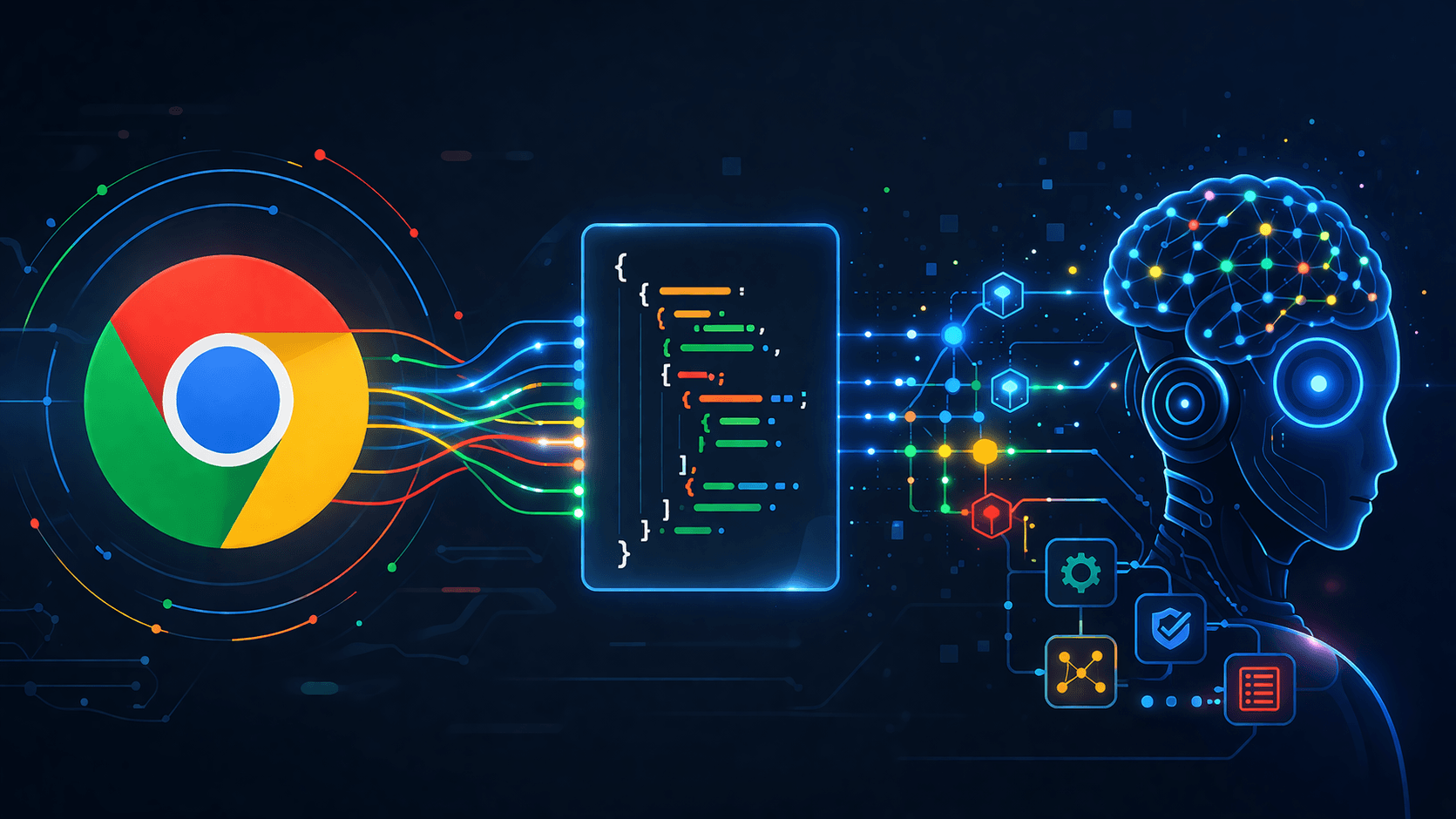
Chrome WebMCP lets websites expose structured tools directly to AI agents — replacing screenshot-based browsing with direct function calls. This practical guide covers the declarative HTML API, imperative JavaScript API, setup in Chrome 146 Canary, real-world use cases, and how WebMCP compares to MCP.

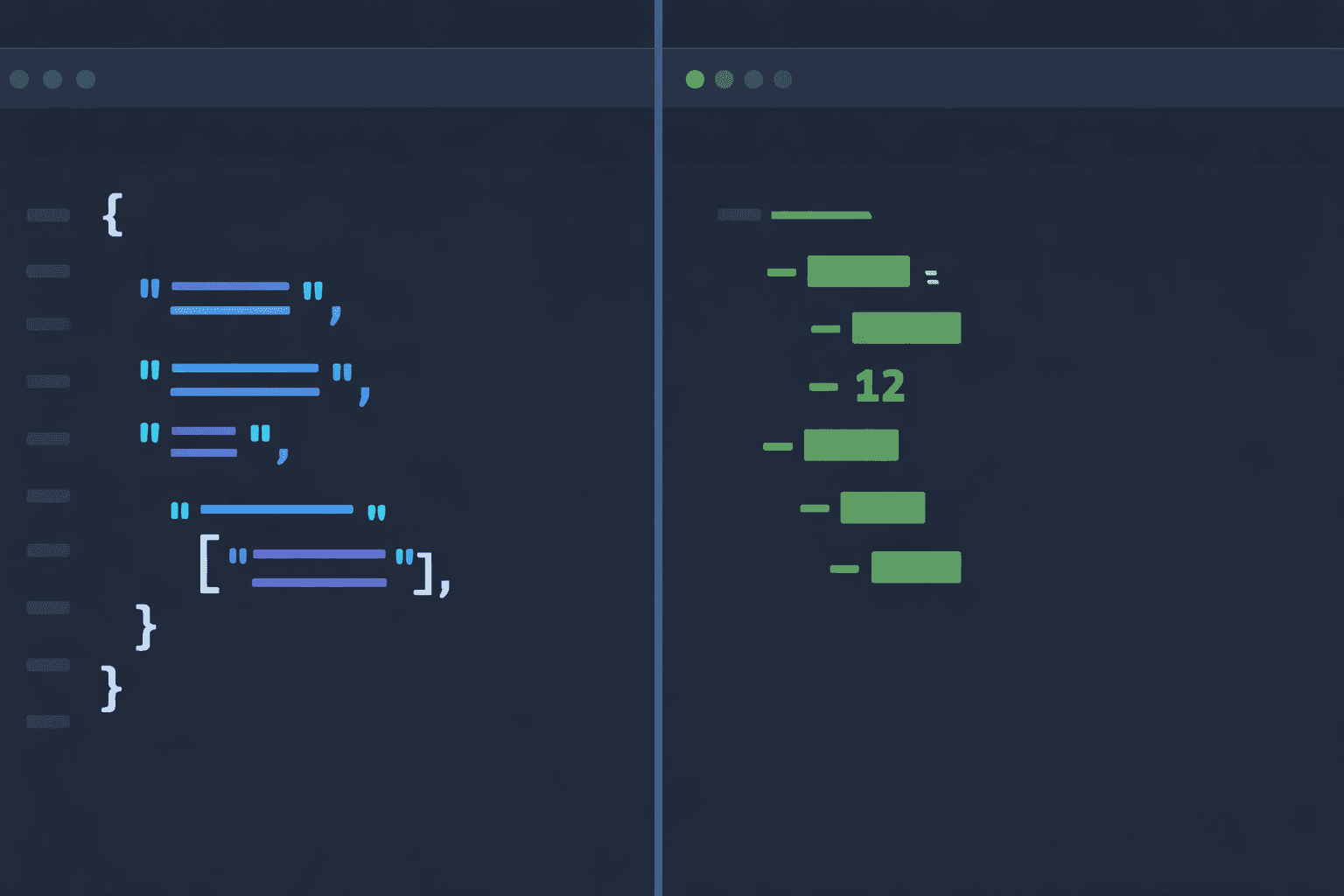
A comprehensive comparison of JSON and YAML covering syntax differences, comments support, data types, performance, file size, and when to use each format for APIs, configuration files, Kubernetes, and CI/CD pipelines.

Google Gemma 4 is the most capable open model family, released April 2, 2026. This guide covers all model sizes, benchmarks, local deployment with Ollama, hardware requirements, and how it compares to Llama 4 and Qwen 3.

A comprehensive guide to converting JSON to CSV — covering online tools, JavaScript and Python code examples, handling nested objects, arrays, and common pitfalls developers face.

Starting April 24, 2026, GitHub will use Copilot interaction data to train AI models by default. Here is exactly what is collected, who is affected, and how to opt out.

JSON minification removes unnecessary whitespace from JSON data to reduce file size and improve performance. Learn when and how to minify JSON with practical examples.

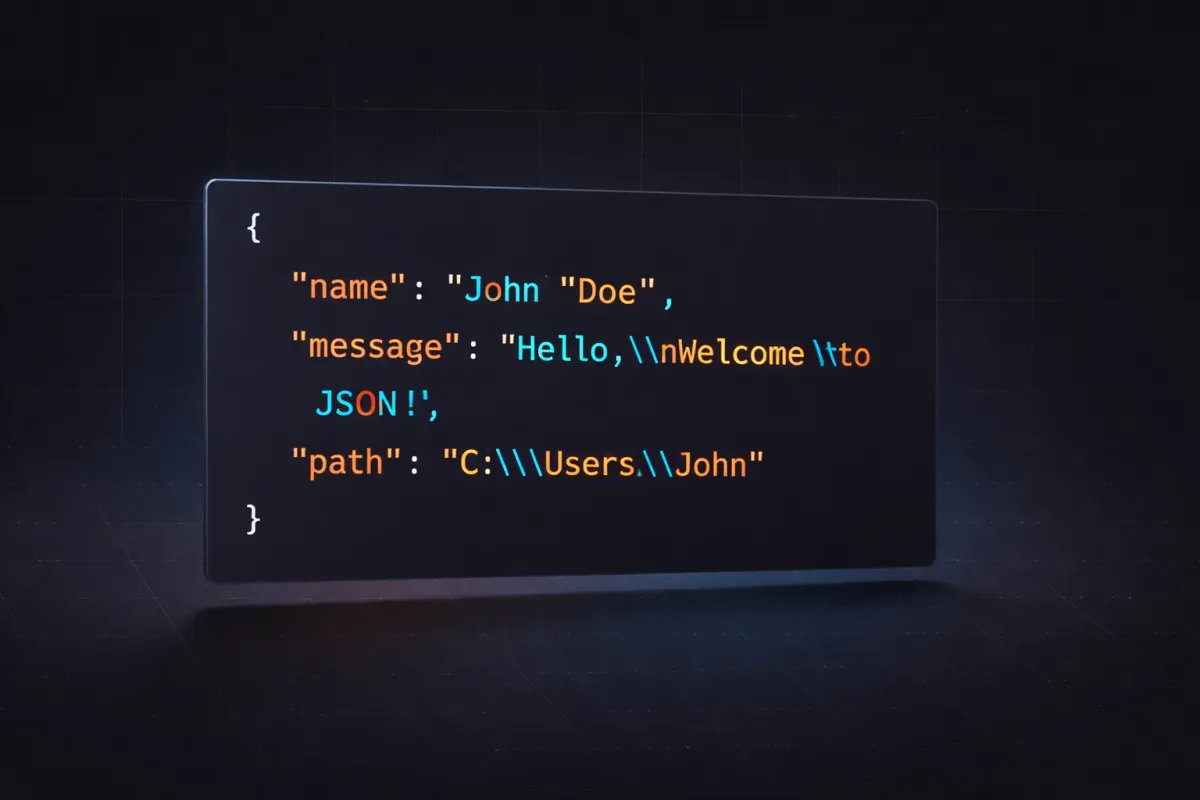
A complete reference to JSON escape characters covering every escape sequence, why escaping matters, common pitfalls, and practical code examples in JavaScript, Python, Java, and more.

On March 31, 2026, Anthropic accidentally exposed the full source code of Claude Code via a source map file left in an npm package. Here's what 512,000 lines of TypeScript reveal about hidden feature flags, autonomous agents, and anti-competitor tactics.

Your IP address reveals more about you than you think.

Is your internet actually as fast as your ISP promises?

Agentic AI is redefining how software operates — autonomous AI agents can now plan, reason, and execute multi-step tasks.

An in-depth comparison of the three dominant AI assistants in 2026.

AI code generation tools have evolved from autocomplete to autonomous development agents.

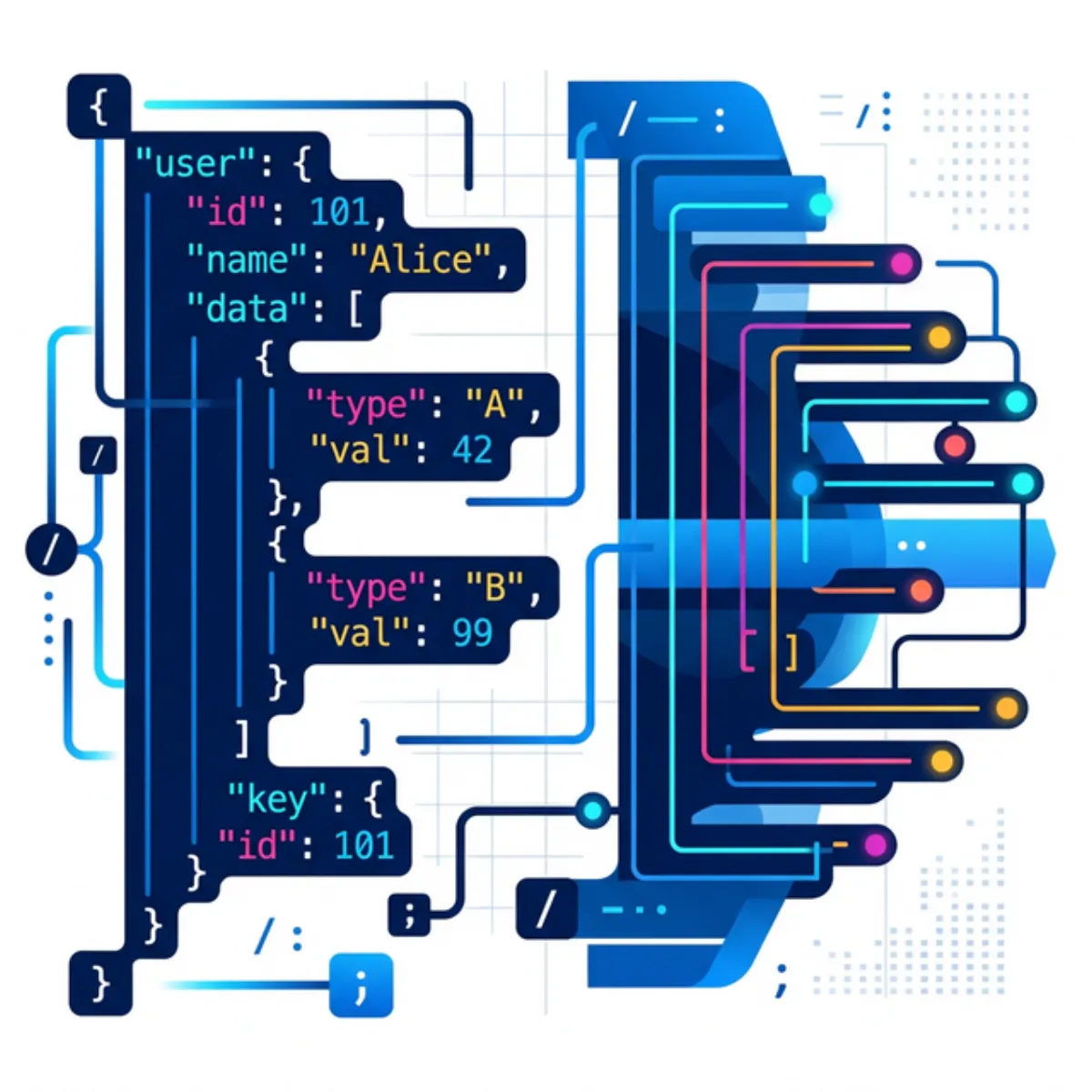
Turn unreadable one-line JSON into clean, structured output in seconds.

JSON is the backbone of modern APIs. Learn best practices for formatting, validating, and debugging JSON data.

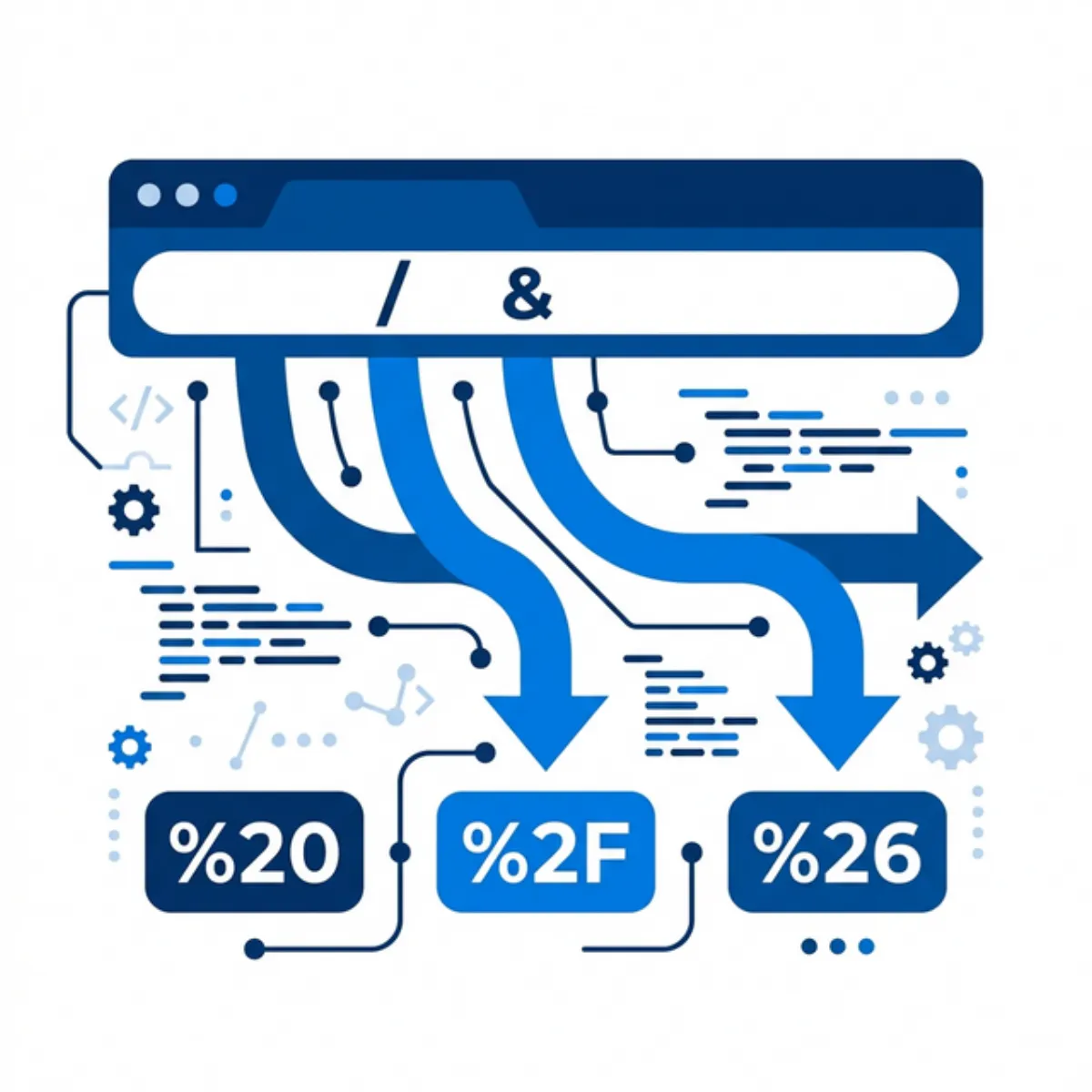
URL encoding converts special characters into a format for internet transmission.

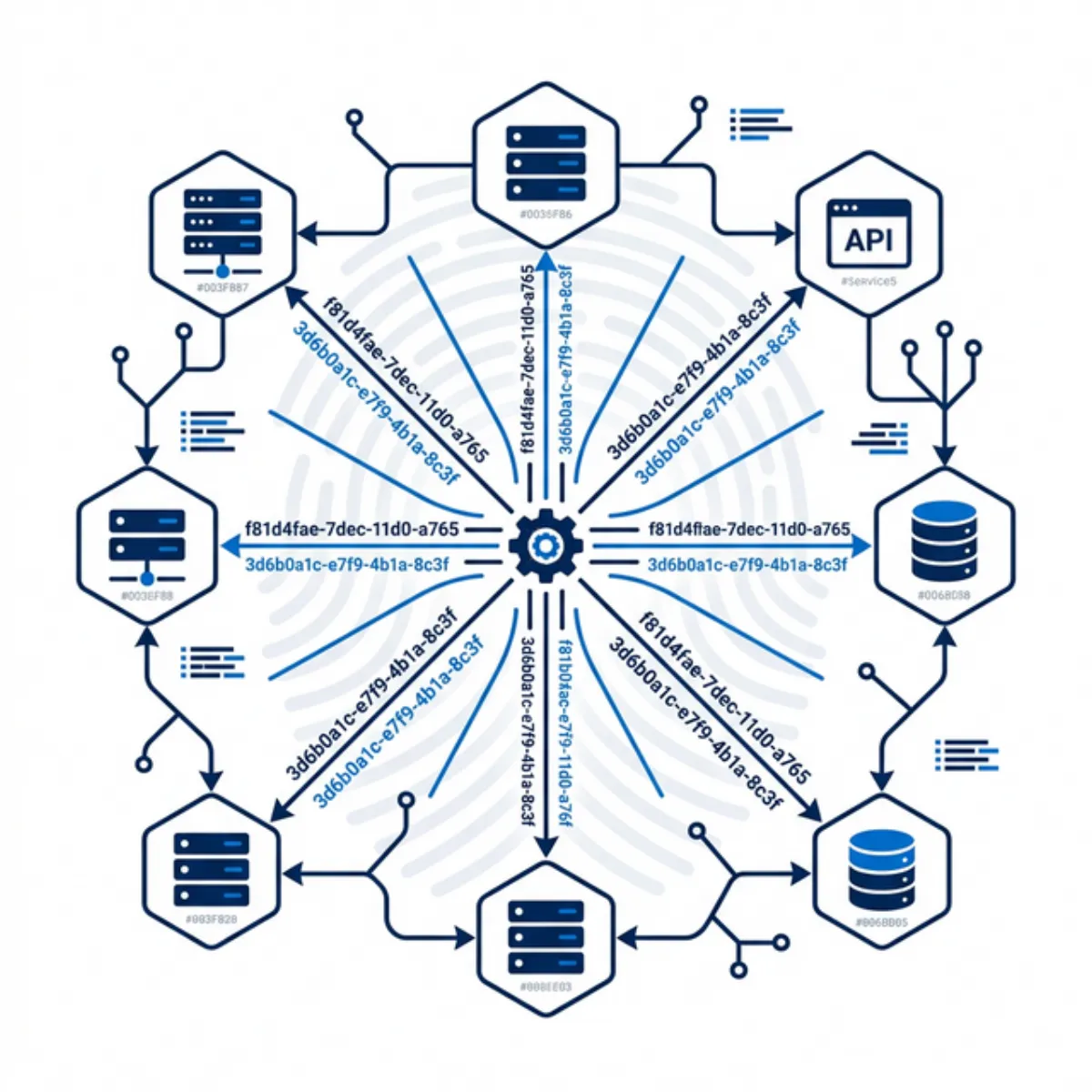
UUIDs provide unique identifiers without a central authority.

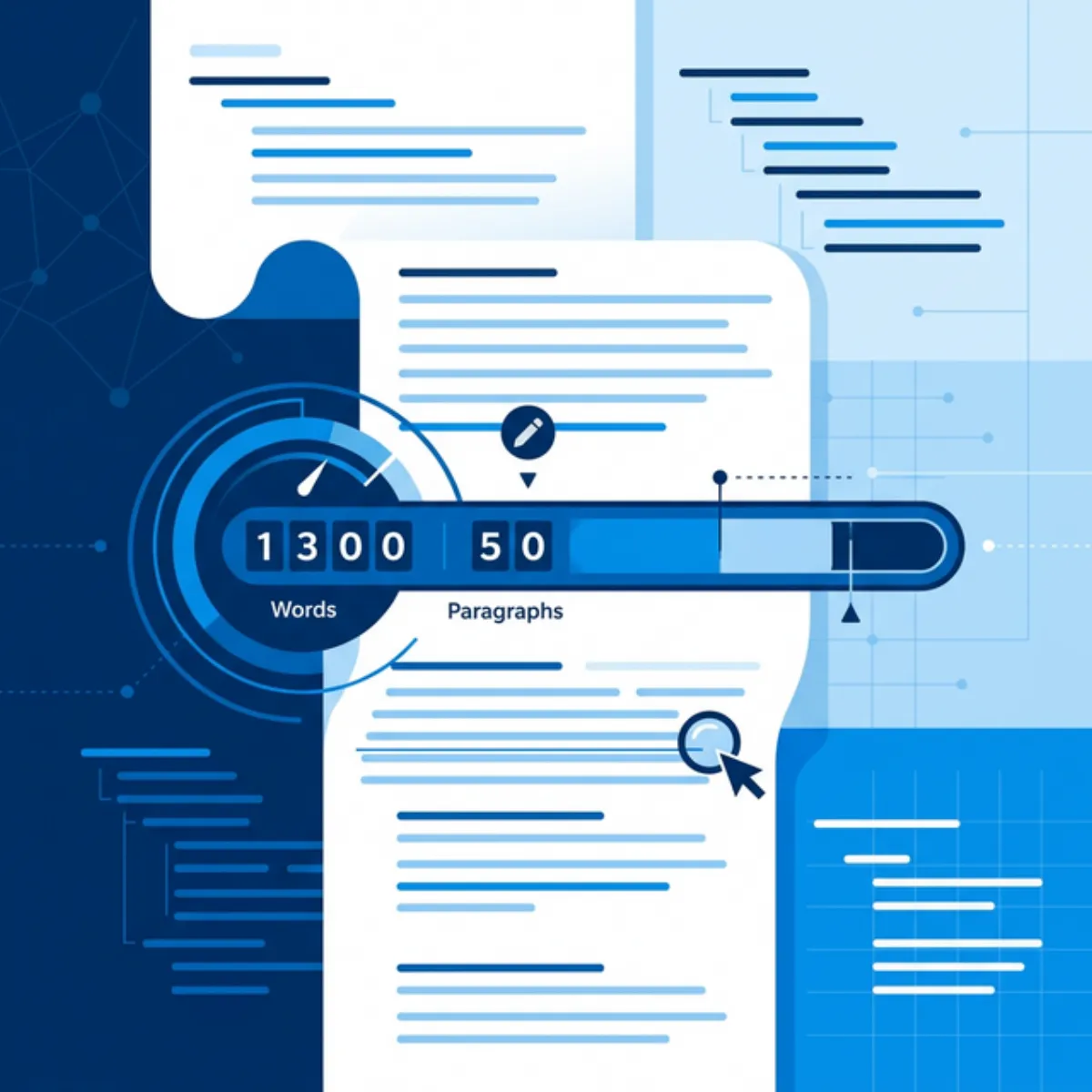
Word count impacts SEO rankings, reader engagement, and content quality.

Base64 encoding converts binary data into ASCII text. Learn how it works, common use cases in web development, and how to encode and decode Base64 strings instantly.